
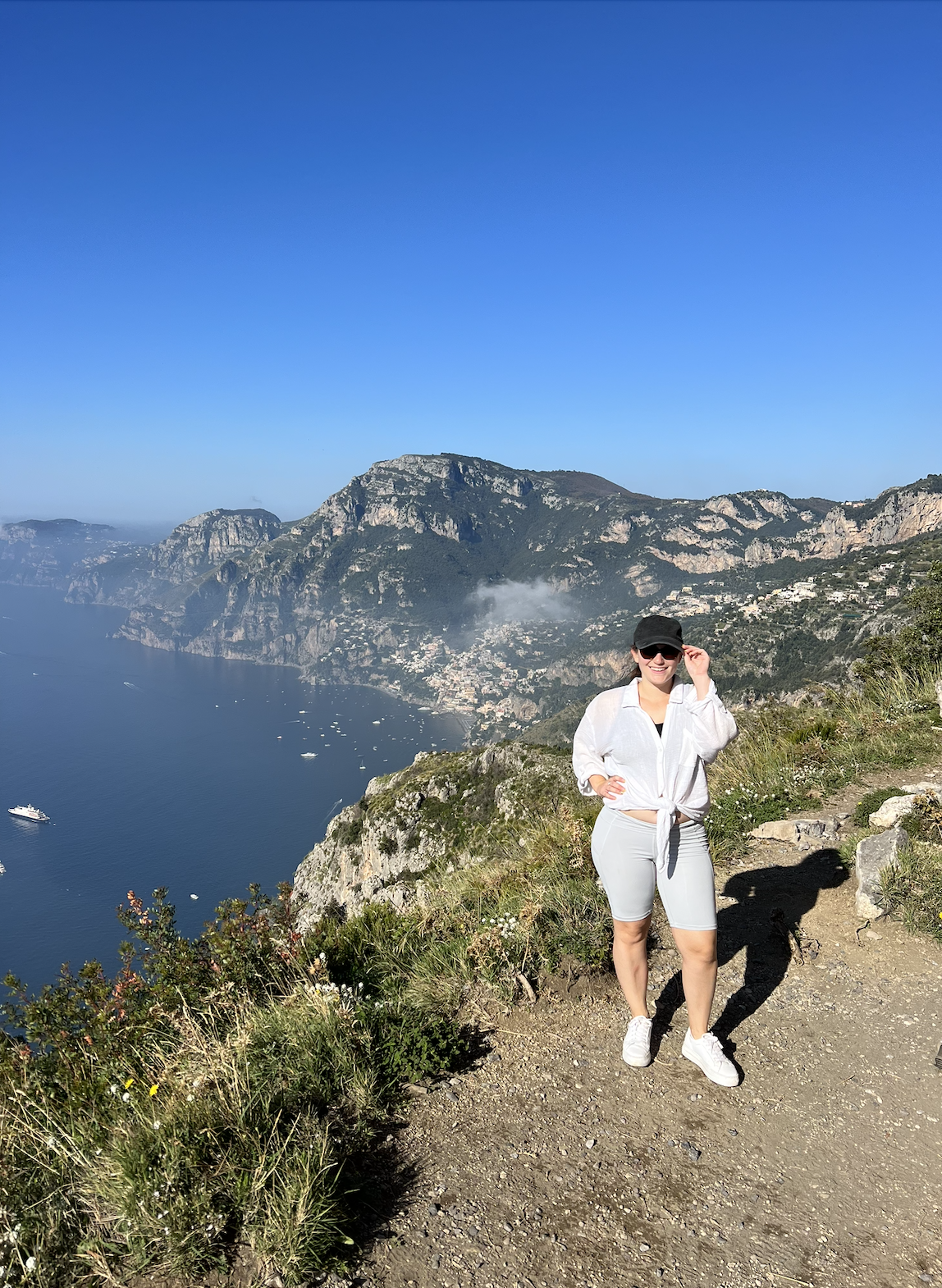
The Best Time to Visit Italy: A Season-by-Season Guide

Italy is one of those destinations that travelers never seem to get tired of, and for good reason. From the colorful cliffside towns of the Amalfi Coast to the rolling hills of Tuscany and the historic streets of Rome, there is always something to discover.
One of the questions I get asked most often as a travel advisor is: When is the best time to visit Italy? The truth is that Italy is a fantastic destination year-round, but your experience can look very different depending on when you go. A summer trip to Positano offers a completely different atmosphere than a winter getaway in the Dolomites or a fall wine-focused escape through Tuscany.
The best time to visit Italy ultimately depends on what type of trip you’re dreaming about. Here’s a season-by-season breakdown to help you decide!
Spring is one of my favorite times to recommend Italy, especially for first-time visitors. As temperatures begin to get warmer, flowers start to bloom across the country, outdoor cafés come alive, and many destinations feel energetic without the overwhelming crowds that arrive later in the summer. Cities like Rome, Florence, and Venice are particularly enjoyable during this time of year because you can spend hours exploring without battling extreme heat.
Spring is also an excellent season for Tuscany. The countryside turns lush and green, which makes it the perfect time for scenic drives, vineyard visits, and leisurely afternoons spent soaking in the views.
Travel Advisor Tip: April and May often provide the perfect balance of comfortable weather, manageable crowds, and great hotel availability.
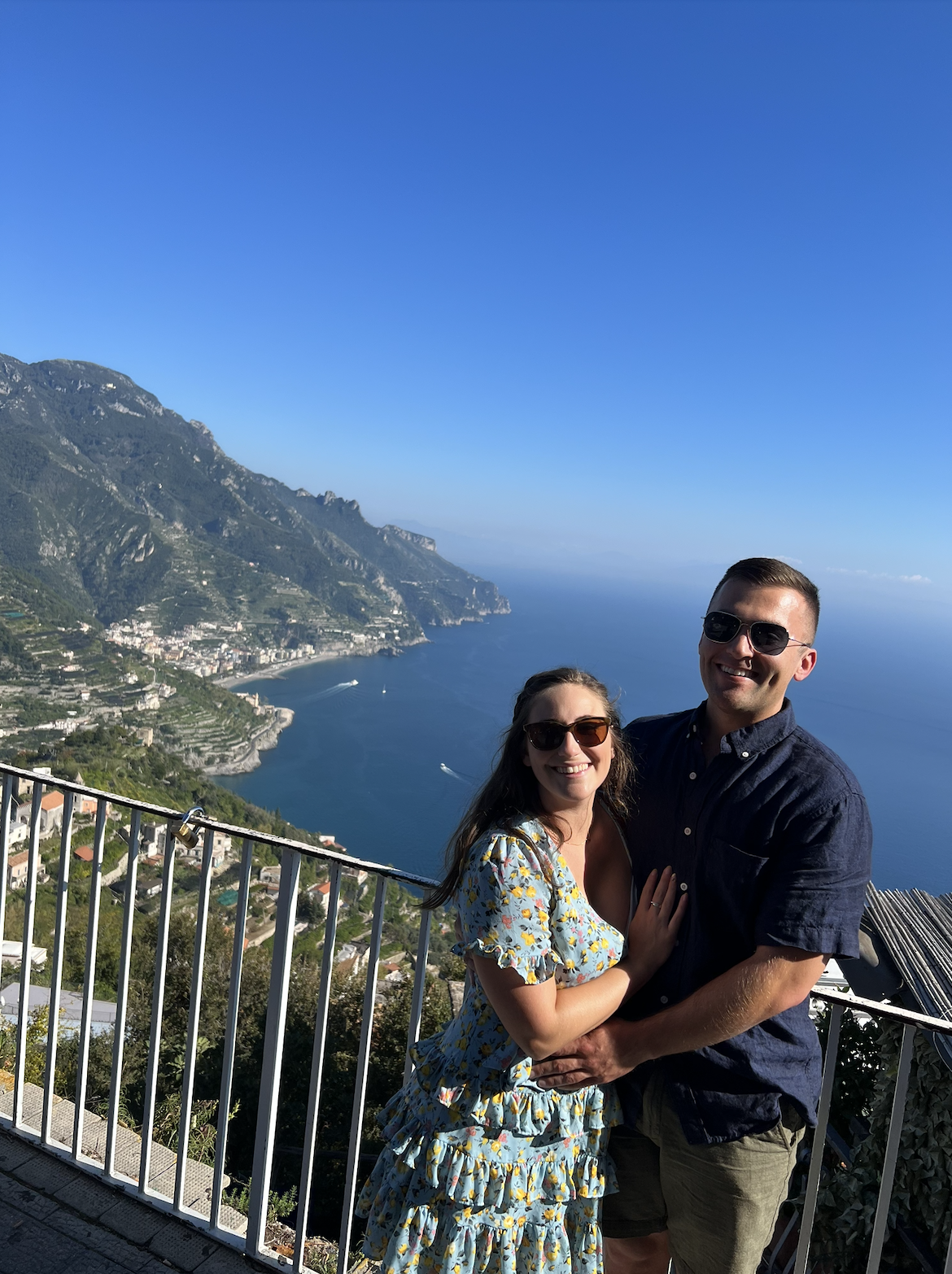
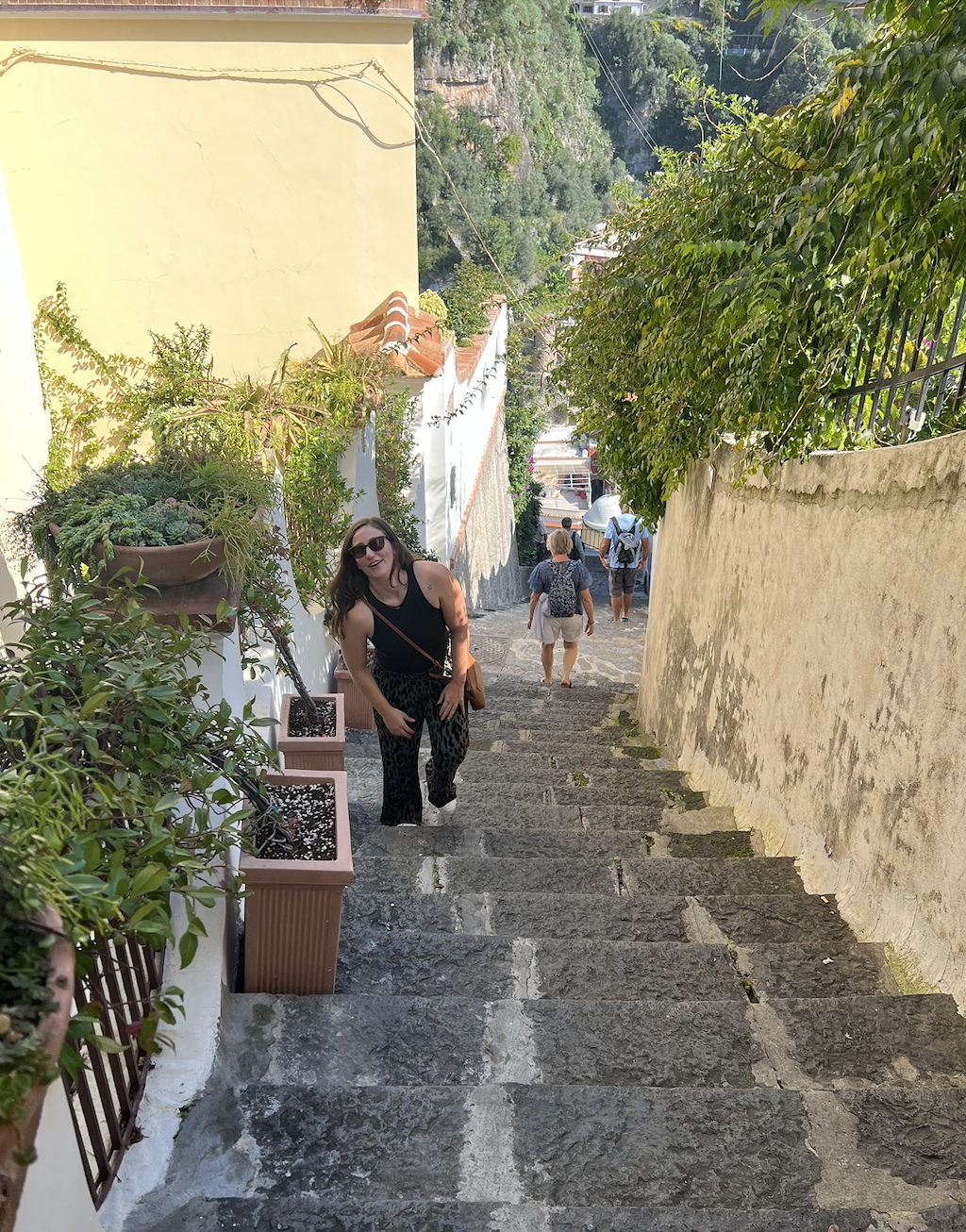
For many travelers, summer is the classic Italy experience. The Amalfi Coast, Capri, Sicily, Sardinia, and the Italian Riviera are at their most vibrant during these months. Beach clubs are open, ferries run frequently, and the atmosphere feels lively and celebratory.
Summer is also when Italy’s coastal destinations truly shine. Long daylight hours mean you can spend your mornings exploring charming towns, your afternoons by the water, and your evenings enjoying dinner outdoors. If you’re dreaming of a trip like this, don’t miss my Amalfi Coast trip review on the blog!
That said, summer is also the busiest season. Popular destinations can become crowded, and temperatures in cities like Rome and Florence can climb well into the 90s.
Travel Advisor Tip: If you’re dreaming of a summer honeymoon or Amalfi Coast getaway, it’s never too early to start planning. The most sought-after hotels and room categories often book well in advance.
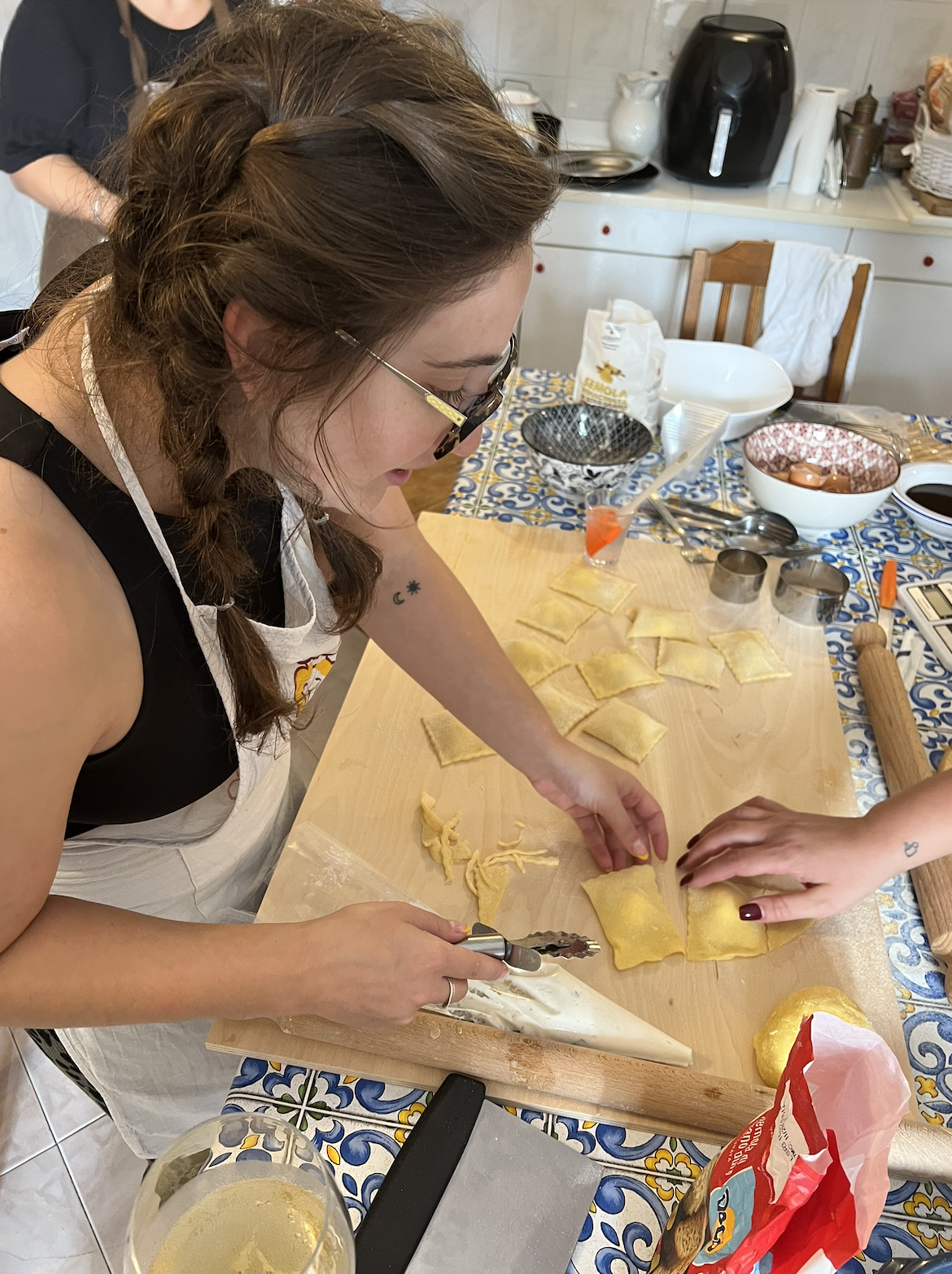
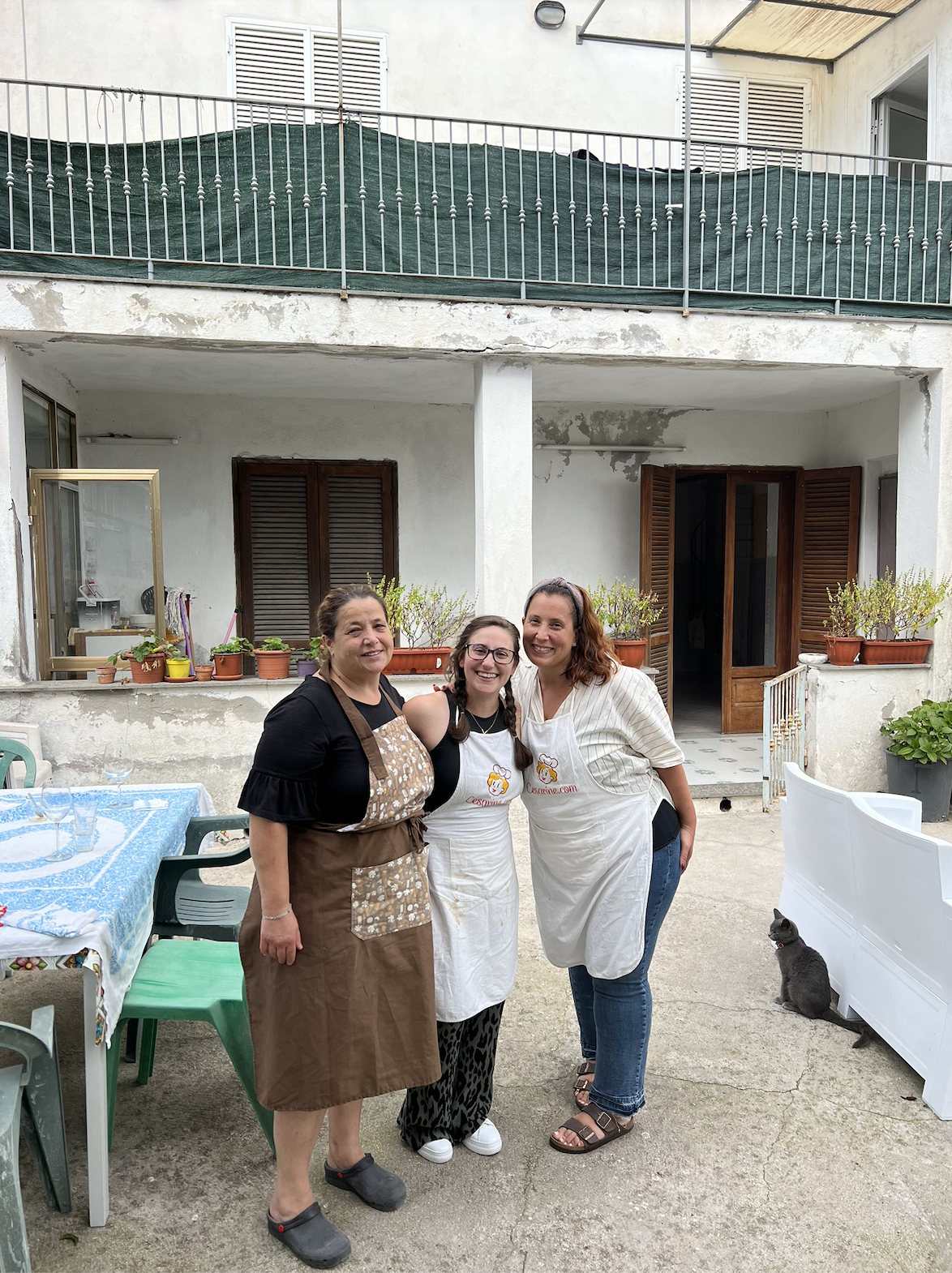
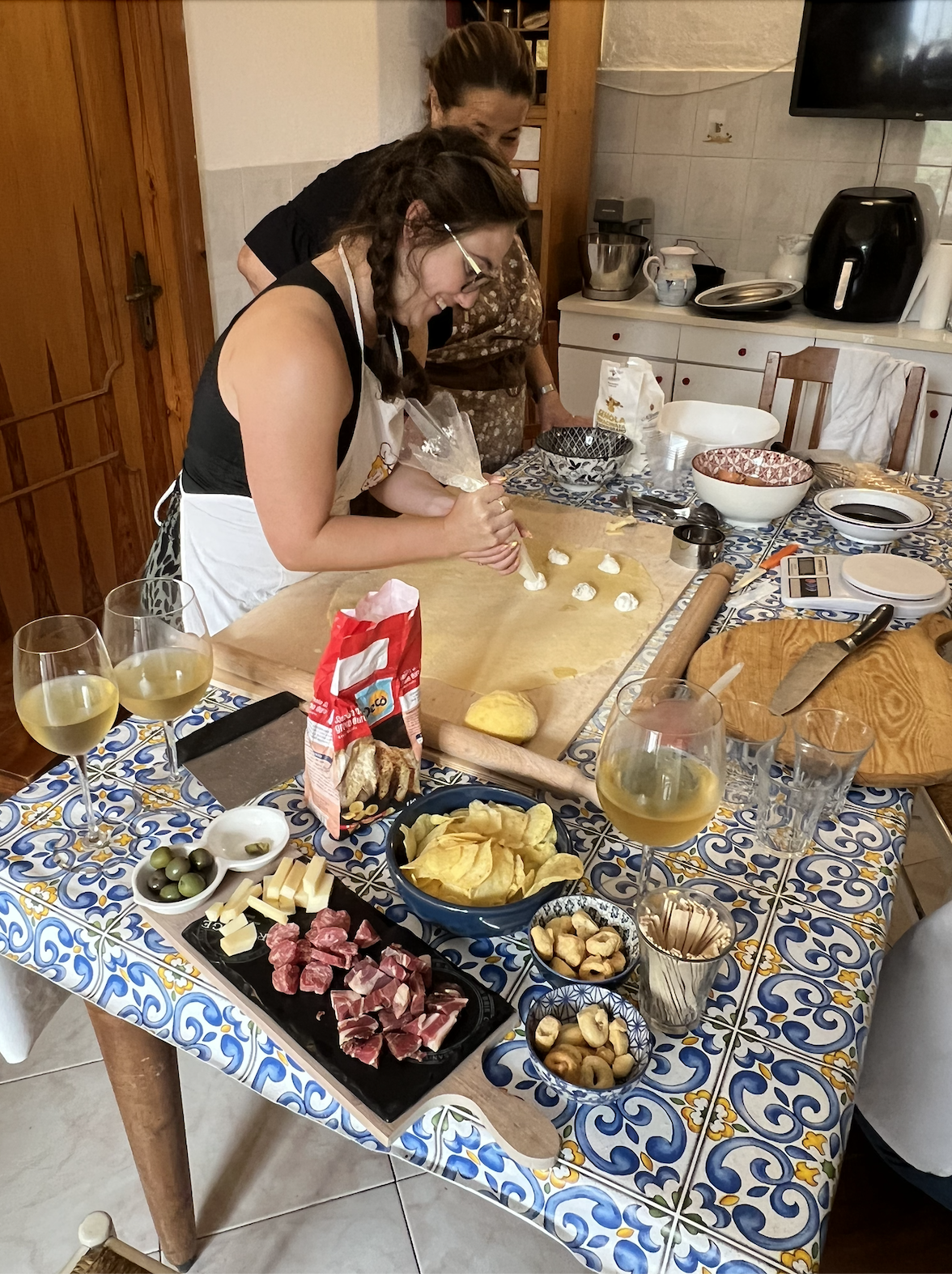
If I had to choose a season that consistently impresses travelers, it’s definitely fall. September often feels like a continuation of summer, especially in southern Italy, but with slightly fewer crowds. The weather remains warm enough for coastal destinations while becoming much more comfortable for sightseeing.
As the season progresses, Tuscany and other wine regions become particularly beautiful. Fall is harvest season, making it one of the best times to experience Italy’s incredible food and wine culture. Restaurants are bustling, vineyards are active, and the countryside takes on stunning shades of gold and amber.
Travel Advisor Tip: September is one of the most requested months for Italy travel, and for good reason. It offers many of the benefits of summer without some of the peak-season crowds.
Winter is often overlooked, but it can be one of the most rewarding times to visit Italy. Cities like Rome, Florence, and Venice are noticeably quieter, making it easier to visit major attractions without spending hours in line. Hotel rates are often lower, and the overall pace feels more relaxed.
The holiday season brings its own charm as Christmas markets, festive decorations, and seasonal events pop up throughout the country. Walking through Italy’s historic city centers during December feels incredibly special.
Winter is also a fantastic time for travelers who love skiing. The Italian Alps and Dolomites offer world-class ski resorts, breathtaking mountain scenery, and charming alpine villages. Destinations like Cortina d’Ampezzo combine excellent skiing with luxury hotels, cozy restaurants, and stunning winter landscapes.
Travel Advisor Tip: Winter is ideal for travelers who prioritize culture, museums, food, holiday experiences, or skiing over beach time.
The best time to visit Italy depends entirely on the experience you’re hoping to have. Choose spring if you want pleasant weather, blooming landscapes, and fewer crowds. Summer is best if beach clubs, coastal towns, and long days by the water are at the top of your list. Choose fall if you’re interested in food, wine, harvest season, and shoulder-season travel. And lastly, don’t ignore winter as an option if you want fewer tourists, festive holiday charm, or an unforgettable ski trip in the Italian Alps.
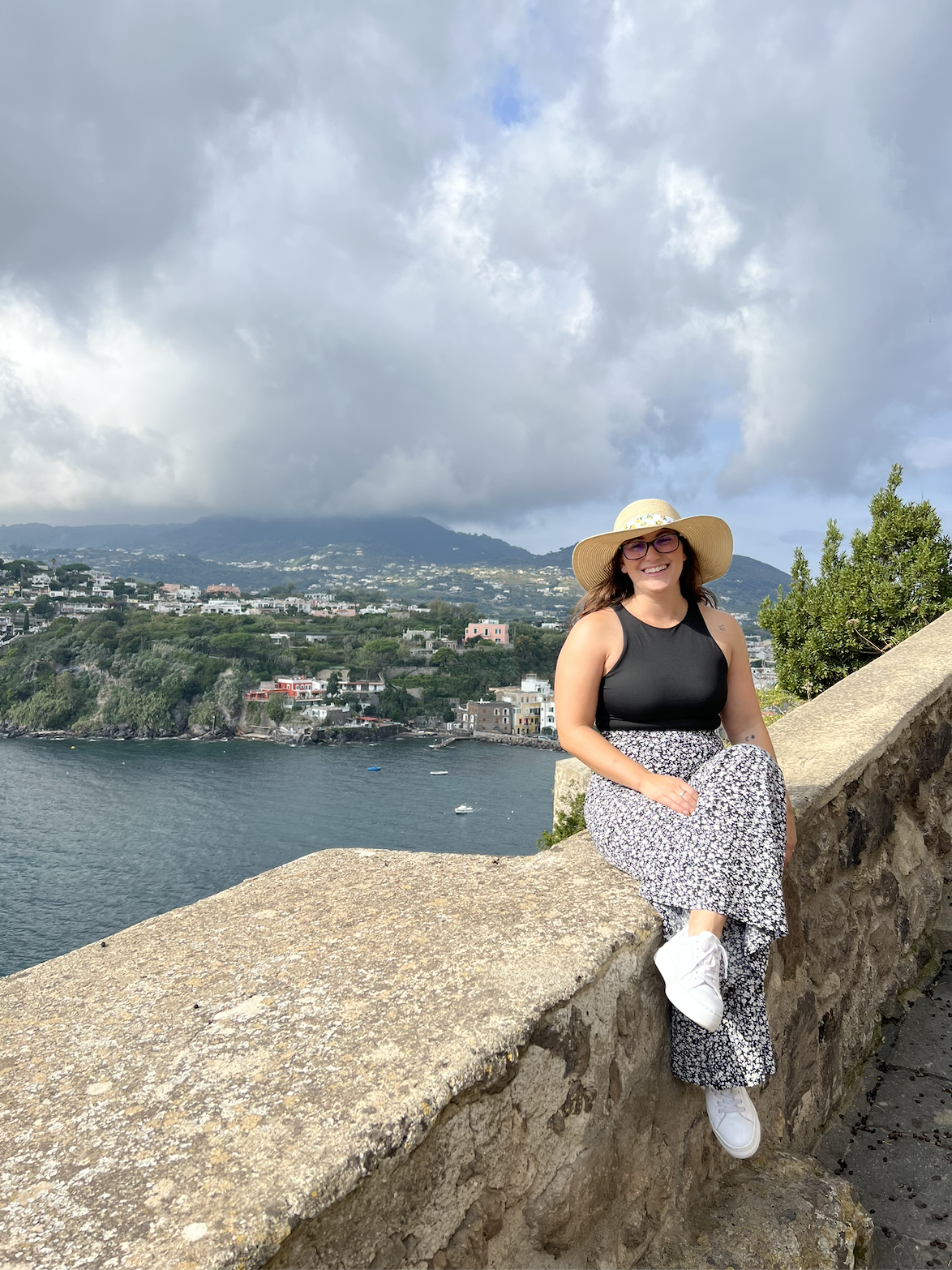
The beauty of Italy is that there truly isn’t a bad time to visit. Each season offers something unique, whether that’s sipping wine in Tuscany during harvest season, soaking up the sun along the Amalfi Coast, exploring Rome without the summer crowds, or skiing in the Dolomites.
When helping clients plan Italy trips, one of the first things we discuss isn’t just where they want to go, but when they want to go. The right season can completely shape your experience. Whether you’re dreaming of a romantic honeymoon, a food-focused adventure, a coastal escape, or a winter getaway, I’d love to help you choose the perfect time to visit Italy and design an itinerary that fits your travel style.
Ready to start planning your Italy adventure? Get in touch, and let’s chat!


